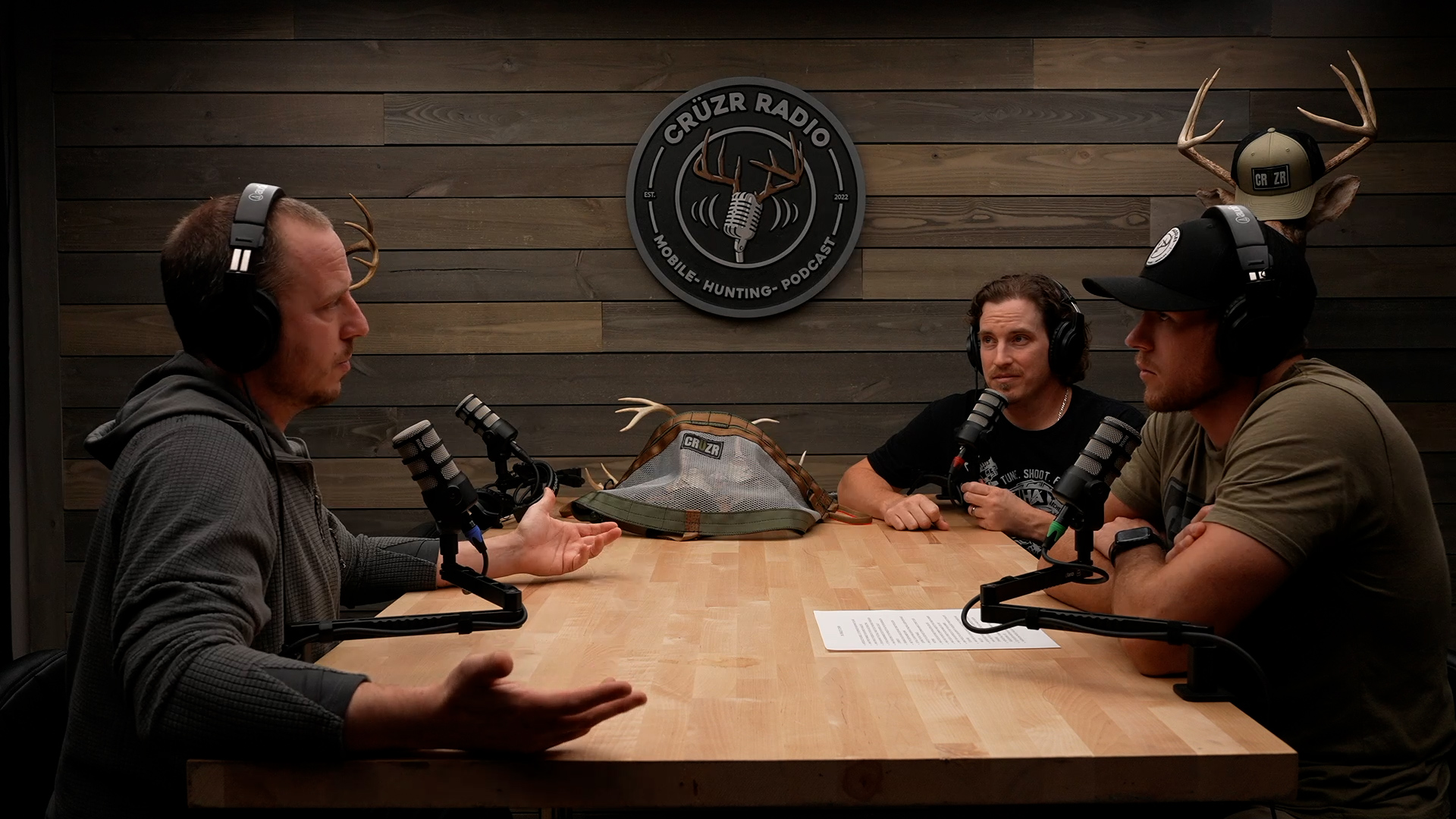
Hunters are always seeking an edge in the field—whether it’s understanding the habits of their prey or learning how to better protect wildlife habitats. Our recent episode of CRÜZR Radio featured an in-depth conversation with wildlife biologist Dr. Bradley Cohen, who shared groundbreaking insights into deer vision, declining turkey populations, and the science behind modern hunting techniques.
Here’s what we learned from this enlightening discussion:
1. How Deer See the World
One of the most intriguing aspects of deer behavior is how they perceive their surroundings. Dr. Cohen broke down the science behind deer vision, explaining that:
• Limited Color Perception: Deer are dichromatic, meaning they primarily see blues and yellows. While they struggle to distinguish reds and oranges, they are highly sensitive to movement and ultraviolet (UV) light.
• Better Night Vision: Deer have a reflective layer in their eyes called the tapetum lucidum, which enhances their ability to see in low light—perfect for their crepuscular habits of dawn and dusk activity.
• What This Means for Hunters: Wearing UV-brightened camouflage or moving too quickly can make hunters more visible to deer. Choosing UV-neutral clothing and being mindful of movement can make all the difference.
2. The Turkey Population Decline: What’s Happening?
Turkey populations have been a hot topic among hunters and conservationists alike. Dr. Cohen provided some sobering insights:
•Habitat Loss and Predation: Changes in land use and increased predator populations are two major factors contributing to the decline.
•Weather and Nest Success: Spring rains and temperature fluctuations often reduce the success of turkey nests, further impacting population growth.
•What Hunters Can Do: Supporting habitat restoration efforts and practicing selective harvesting can help bolster turkey numbers. Hunters are also encouraged to participate in wildlife monitoring programs to provide data that aids conservation.
3. Chronic Wasting Disease (CWD): A Threat to Deer Hunting
CWD remains a significant challenge for deer populations across North America. This fatal neurological disease impacts the health of deer herds and threatens the future of hunting traditions. Dr. Cohen emphasized:
•Spread and Impact: CWD is transmitted through infected bodily fluids and can remain in the environment for years, affecting both wild and captive deer populations.
•Prevention and Awareness: Hunters can help slow the spread by properly disposing of carcasses, avoiding baiting, and participating in state-led testing programs.
•The Importance of Education: Understanding the science of CWD and staying informed about local regulations is critical for every hunter.
4. The Role of Hunters in Conservation
Dr. Cohen highlighted the vital role hunters play in wildlife conservation. Through license fees and excise taxes on gear, hunters provide billions of dollars annually to fund wildlife management programs. By adopting ethical hunting practices and supporting habitat restoration, hunters ensure a future where wildlife populations thrive.
Takeaways for the Modern Hunter
Understanding the science behind wildlife behavior and ecology isn’t just fascinating—it’s essential. Here are a few actionable tips from the episode:
•Optimize your hunting strategy by considering how deer perceive their environment.
•Support conservation efforts that address habitat loss and species population declines.
•Stay informed about diseases like CWD and adhere to best practices to protect local herds.
Listen to the Full Episode
This article only scratches the surface of the valuable insights Dr. Cohen shared. For a deeper dive into these topics and more, listen to CRÜZR Radio Episode 46, available now on Spotify, Apple Podcasts, and YouTube.
By exploring the intersection of science and hunting, we can become more effective hunters and better stewards of the land. Stay tuned for more insights from the field on future episodes of CRÜZR Radio.