
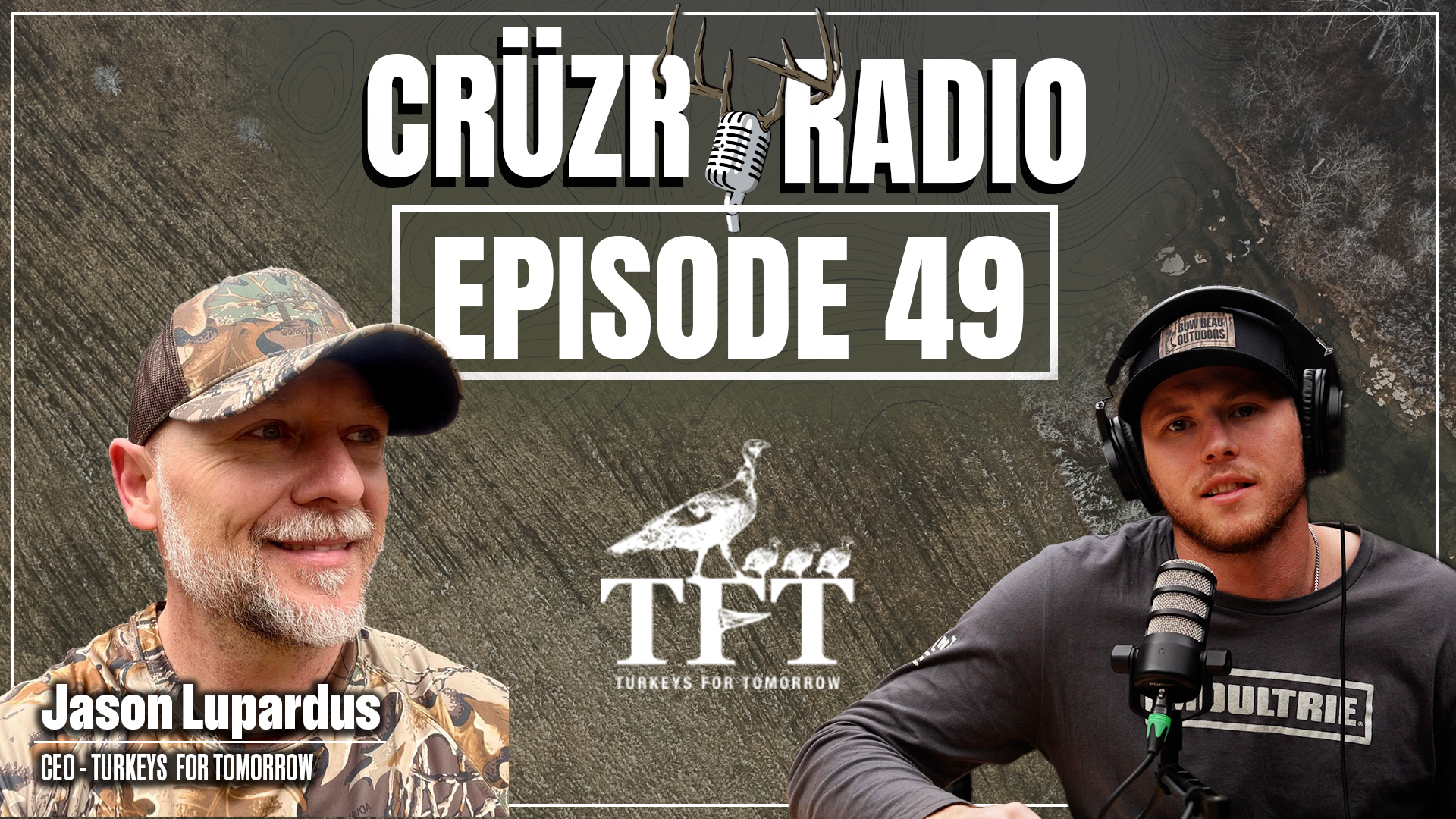
Wild Turkey Conservation: Insights from Turkeys for Tomorrow
Preserving the Future of Wild Turkeys: A Conversation with Turkeys for Tomorrow Wild turkey conservation is crucial to maintaining North
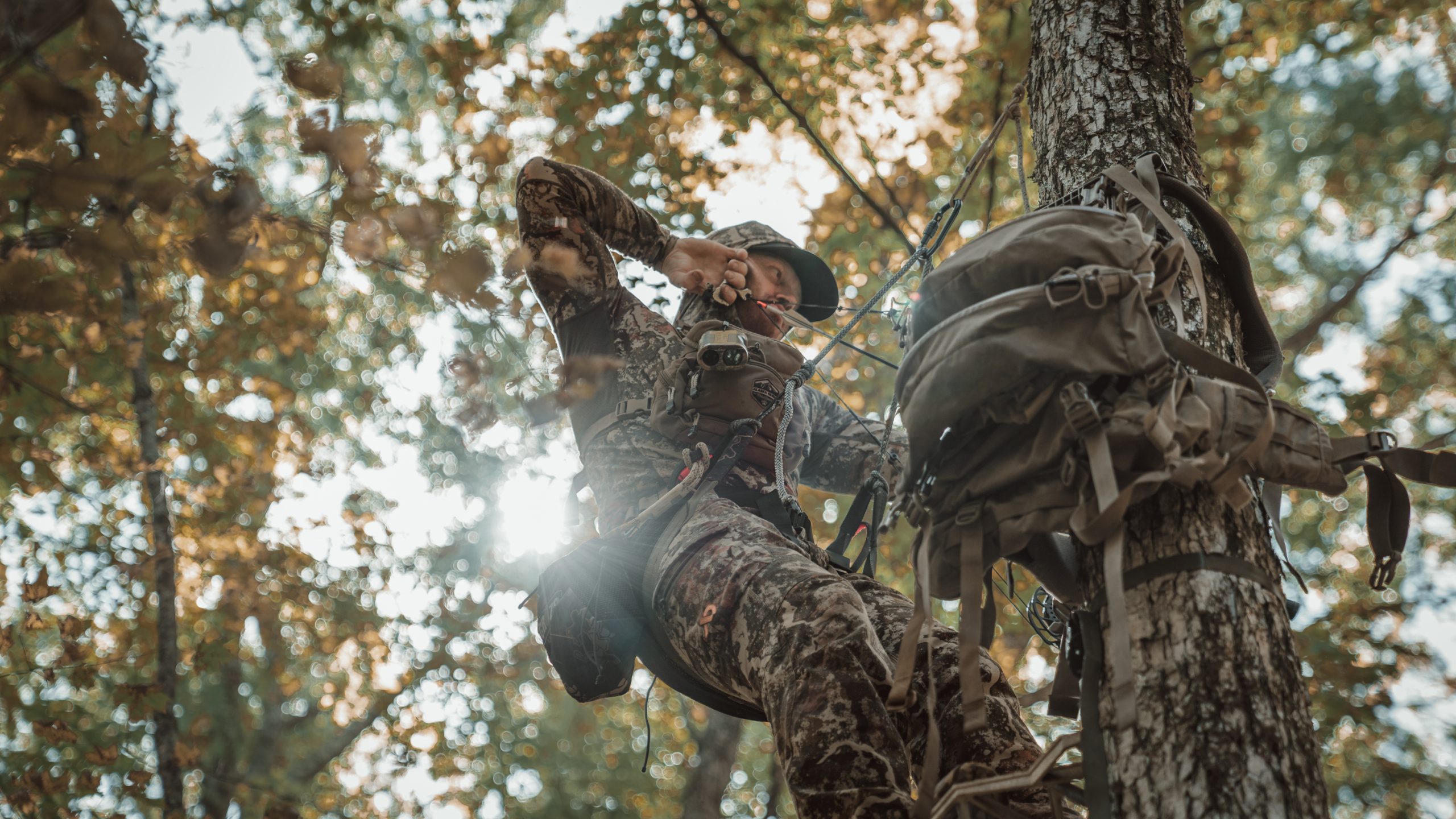
Saddle hunting has gained popularity for its versatility, mobility, and unique vantage point. If you’re preparing for your first saddle hunt, you’re likely excited but may also have questions about what to pack, how to set up, and what gear you need. Don’t worry—this guide will walk you through everything, including a handy checklist and useful tips to ensure a successful and comfortable hunt.
1. Choosing the Right Saddle Hunting Gear
Saddle Selection
Your saddle is the most important piece of equipment, and comfort is key. Whether you choose a CRÜZR saddle or another brand, make sure it fits well and offers adjustable options for long sits. Safety is equally important—ensure that the saddle you select is third-party tested to meet ASTM Standards for fall restraint harnesses. All CRÜZR saddles meet these rigorous safety standards, so you can trust in the durability and security of your gear.

Tether and Lineman’s Rope
A safe climb starts with the right tether and lineman’s rope. The tether connects you to the tree, while the lineman’s rope secures you as you climb. Invest in high-quality ropes that support your weight and allow easy adjustments. Always double-check your gear for cuts, abrasions, or other safety concerns before heading out, and never climb if you detect any issues.
Climbing Method
There are different ways to ascend a tree when saddle hunting. The three most common methods are climbing sticks, screw-in steps, and the one-stick method. Here’s a brief overview of each:
• Climbing Sticks: Easy to use and reliable but slightly bulkier to carry.
• Screw-in Steps: Lightweight but require more setup time and effort.
• One-Stick Method: Highly mobile and efficient but requires more practice to master.
For those familiar with climbing techniques, Double Rope Technique (DRT) and Single Rope Technique (SRT) are also viable methods, though not as commonly used in saddle hunting. Make sure you are well-versed in these methods before attempting them, as they require specific gear and skills.
Disclaimer: Always check your local rules and regulations regarding tree climbing and hunting methods to ensure you are compliant with any restrictions.
2. Essential Accessories for Your Setup
Platform
While the platform may seem like an accessory, it’s actually a necessity for saddle hunting. A sturdy platform gives you a stable base to stand, pivot, and shoot comfortably. Choose a lightweight, easy-to-attach platform that works with your hunting style.
Knee Pads or Knees-Ease™
For long sits, knee pads are invaluable. They protect your knees when leaning against the tree and keep you comfortable during the hunt. However, CRÜZR offers an alternative: the Knees-Ease™, which attaches to the tree instead of your knees. This eliminates the need for straps around the back of your legs, providing additional comfort during extended periods in the saddle.
Pack or Bag
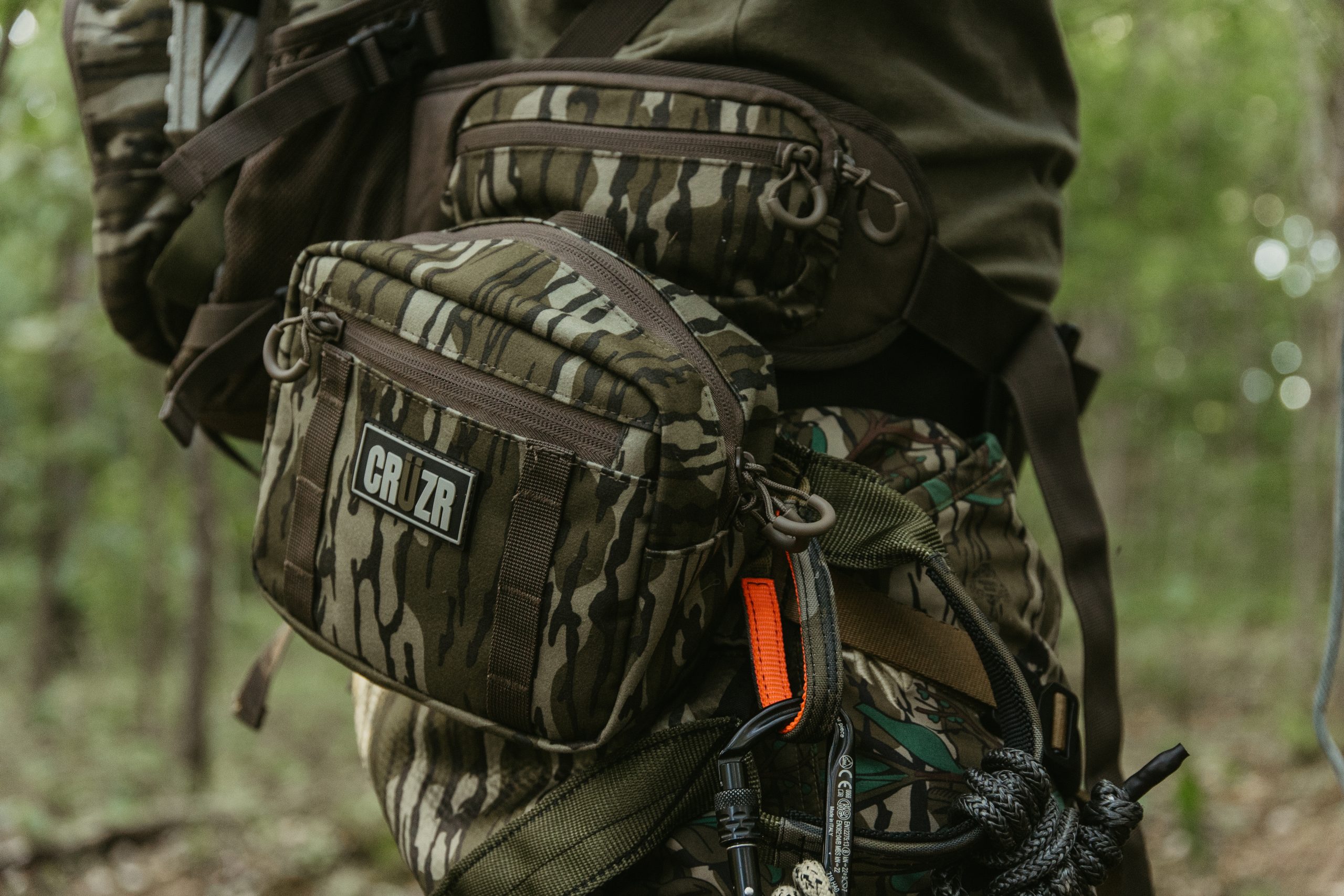
You’ll need a reliable hunting pack to carry your gear. The Escape Pack™ is the ultimate saddle hunter day pack, designed with multiple compartments for easy access to essentials like your rangefinder, snacks, and field dressing kit. A well-organized bag minimizes movement and keeps your gear accessible without hassle.
Gear Strap with Bow Holder
A gear strap with a bow holder is essential for keeping your bow and other equipment within reach. These straps often have multiple hooks, allowing you to hang your backpack, bow, calls, and other frequently used items. This setup ensures that you can quickly grab your gear while keeping the area tidy and efficient.
3. Pre-Hunt Practice
Saddle Practice at Home
Before heading out into the field, spend time practicing at home with your saddle setup. Get comfortable adjusting your ropes, tether, and platform, and spend time moving around in the saddle. Familiarity with your gear will make setup faster and smoother during the actual hunt.
Shooting from the Saddle
Shooting from a saddle differs from shooting from a treestand or the ground. The angles and positioning require practice. Set up targets at different angles and practice shooting from your saddle to ensure accuracy and confidence when you’re out in the field.
4. Selecting the Right Tree

Tree Characteristics
Choosing the right tree is crucial for a comfortable and successful hunt. Look for a tree that’s straight and sturdy, with a trunk big enough to support your setup but small enough to wrap your arms around. Trees that lean slightly away from you are ideal, while those leaning toward you can cause discomfort over long periods.
Cover
When saddle hunting, you’re more exposed than in a traditional treestand. Selecting a tree with plenty of cover, such as branches and foliage, will help break up your outline and keep you hidden from game. Even background cover can significantly improve your concealment, so scout for trees that offer natural camouflage.
5. Saddle and Rope Safety
Safety should be your top priority. Always double-check all of your gear, including your saddle, tether, lineman’s rope, and platform, before climbing. Look for any signs of wear, such as cuts or abrasions, and never climb if you detect any safety concerns.
Climbing Safety
Take your time while climbing, ensuring that every step or stick is securely attached to the tree before moving up. Rushing the process can lead to mistakes, so be deliberate in your movements and stay focused on your safety.
Emergency Plan
Carry a whistle, phone, and basic first-aid kit in case of an emergency. Always inform someone of your location and expected return time before you head out on your hunt.
6. What to Pack
Here’s a checklist of items to bring along for your first saddle hunt:
• Hunting Gear: Bow, arrows, release, and broadheads.
• Saddle Gear: Saddle, tether, lineman’s rope, and Knees-Ease™ or knee pads.
• Clothing: Dress in layers for changing temperatures and weather conditions.
• Essentials: Water, snacks, rangefinder, Escape Pack™, headlamp, field dressing kit, and extra rope.
• Navigation: GPS, compass, or map to navigate unfamiliar terrain.
7. Day-of Tips for a Successful Hunt
Arrive Early
Give yourself plenty of time to arrive and set up before first light. Rushing will lead to mistakes, so it’s best to move slowly and make sure your setup is secure.
Minimize Movement
Just like any other form of hunting, saddle hunting requires patience and stillness. Avoid unnecessary movement that could spook nearby game. Practice being still and making minimal adjustments while in the tree.
Stay Patient
Saddle hunting often involves long waits, so make sure you’re as comfortable as possible. Bring water, snacks, and appropriate clothing to help you stay focused and alert throughout your hunt.
Conclusion
Your first saddle hunt is an exciting experience, but preparation is the key to success. By following this checklist, practicing ahead of time, and choosing the right gear, you’ll be well on your way to having a productive and enjoyable hunt. Embrace the learning curve, take your time, and enjoy the thrill of saddle hunting!
– Michael Brandon, Author
Preserving the Future of Wild Turkeys: A Conversation with Turkeys for Tomorrow Wild turkey conservation is crucial to maintaining North
Top 5 Hunting Saddle Accessories As mobile hunters, we thrive on having the right gear to enhance our time in